



How to Plan a Local Culture Series: A 6-Week Editorial Calendar
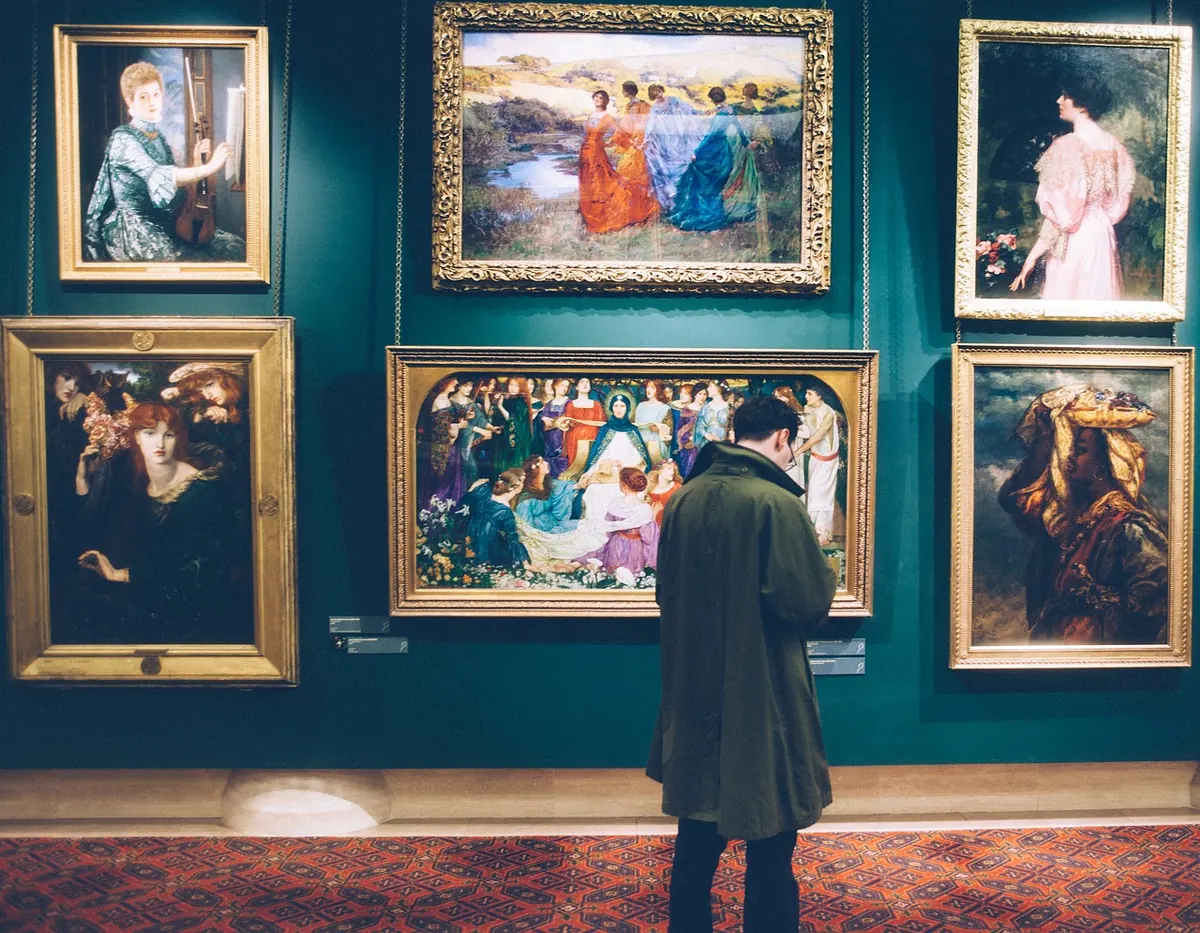
Every local culture series starts the same way. Someone messages a small gallery about a show, someone hears a choir is rehearsing for a spring concert, and by the third week the whole thing is being assembled the night before publication. It works, for a while. Then a week arrives with four events on the same evening and nothing at all the week after.
A six-week editorial calendar fixes that without turning culture coverage into paperwork. Six weeks is long enough to book interviews and shoot photographs, and short enough that a cancelled exhibition or a rained-off street fair does not collapse the plan. Here is how to build one you will actually keep.
Map the Season Before You Map the Weeks
Start by writing down everything you already know is happening, roughly in order. Not a publishing schedule yet — a raw map. Pull from the council's events page, the library noticeboard, regional arts listings, school newsletters, the posters taped inside the bakery window. Add the recurring things nobody bothers to list: the Tuesday folk session, the allotment open day, the annual procession.
Then sort what you have into three buckets:
- Fixed dates. Festivals, touring shows, exam concerts, civic ceremonies. These anchor everything else.
- Loose dates. A studio opening "sometime in spring", a book launch "around the end of the month". These need a phone call before you build around them.
- Evergreen. Profiles, oral histories, explainers on how a venue is funded or why a theatre goes dark in August. These fill gaps and can move at short notice.
Note what is missing as carefully as what is present. If the map is all music and no visual art, or all events and no makers, that is your first editorial decision of the season.
Week 1: Build the Spine
By the end of week one you want one row per week of the season, with three to five candidate stories under each. Candidates, not assignments.
Work backwards from the anchors. If a festival closes the season, the three weeks before it might carry a preview interview with an organiser, a piece on a workshop that feeds into it, and something quieter — a profile of the volunteer who has worked the gate for years. Spacing matters more than volume. Two strong pieces a week read better than five thin ones, and a culture desk that publishes daily and is remembered for nothing is not serving anybody.
Give each week a plain working theme: Opening Week, The Makers, Long-Running Institutions, School and Youth, Outdoors, Closing Weekend. Themes are not for readers. They are for you, to stop three profiles of ceramicists landing back to back.
Week 2: Make the Calls That Fill the Gaps
This is the week the calendar becomes journalism. Every loose date gets a call. Not an email — a call, or a short visit in person, especially to organisations run by volunteers who are already drowning in unread messages.
Ask four things, always the same four, so the answers are comparable:
- What are the exact dates and times, including get-in and take-down?
- Who is available to talk, and when are they least busy?
- What can we photograph or record, and what is off limits?
- What are you worried about?
That last question is where most stories come from. An organiser anxious about ticket sales in a wet month, a curator working out how to hang paintings in a room with poor light, a young band unsure anyone will turn up to a Tuesday gig. Confirm all of it in writing afterwards — dates, contacts, permissions — in one short email. It takes two minutes and prevents most of the arguments that follow.
Weeks 3 and 4: Report, Record, and Gather
Two weeks of reporting, running alongside whatever is already ready to publish. Batch by geography where you can: three interviews in one afternoon across two streets is kinder to your schedule and your fuel.
Habits worth building
- Record interviews, but ask first, and keep handwritten notes as backup.
- Shoot more than you need: the room before it fills, the hands, the poster on the door, the stage being built.
- Collect quotes about place, not only about the work. "We rehearsed in the church hall for eleven years" tells a reader more than a paragraph of biography.
- Keep a running file of small details — the sandwich order, the third stair that squeaks, the fact that the gallery used to be a butcher's. This is what makes a piece feel written by someone who was in the room.
Then the admin. Written consent for photographs of children, every time, from a parent or guardian. Captions checked against the names people actually use. Audio and images backed up somewhere other than a single memory card.
Week 5: Edit as a Series, Not a Stack of Pieces
Read the whole season's drafts in one sitting. You are looking for repetition, contradiction and gaps.
Repetition is easy to fix. Two pieces making the same point about a town's revival should become one, or each should be cut back to its distinct half. Contradiction is subtler: if one piece calls a venue thriving and another quotes a volunteer about the heating bill, that tension is either the story or a mistake. Find out which before publication, not after.
Gaps are where the season gets interesting. If every draft is about people over forty, that is a signal. If every piece is about performance and none about the people who build sets, rig lights or fold programmes at the door, you have described a stage rather than a culture.
Write the connective tissue too: short standfirsts that tell a reader why this week matters, and a running order that makes sense to someone who has never heard of any of it. Assume every piece is somebody's first.
Week 6: Publish, Distribute, and Set Up the Next Cycle
Publishing is the middle of the calendar, not the end. Give each piece more than one life: a long interview can yield a quote card, a photo set, a short audio clip and a line in the next newsletter. Reuse what is genuinely good, and skip the rest rather than manufacturing it.
Distribution, practically
- Send the week's plan to your newsletter list on the same day each week, so readers learn the rhythm.
- Post where the events themselves are advertised — community groups, noticeboards, the café window. That is where the audience already is.
- Tag and thank the organisations you covered. They will share the piece, and they will remember you when the next thing happens.
- Keep a simple log of what was published, what was read and what people replied to. After two or three seasons it will be more useful than any planning template you can find.
Before you close the file,
Photo: StockSnap / Pixabay